


Frozen shoulder

About the disease & condition
Known Symptoms
- Shoulder pain limiting daily movement and activities.
- Restricted motion when raising or rotating the arm.
- Stiffness worsening over weeks to months consistently.
- Occasional discomfort at night or with movement.
Known Causes
- Diabetes increasing susceptibility to capsule inflammation.
- Post-injury or post-surgery immobility restricting motion.
- Overuse or repetitive shoulder strain causing inflammation.
- Scar tissue formation within the joint capsule.
Care
- Begin early mobilisation after shoulder injury or surgery.
- Perform regular stretching exercises for shoulder flexibility.
- Attend physiotherapy sessions to restore strength and motion.
- Avoid prolonged immobilization to prevent stiffness recurrence.
Relevant Specialties
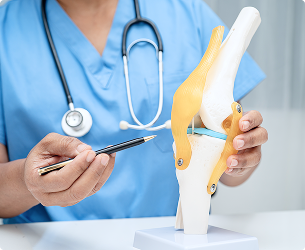
Orthopaedics (Orthopaedic Surgery)
Orthopaedics focuses on the musculoskeletal system, including bones, joints, muscles, and ligaments.
It supports individuals with a wide range of conditions that may affect movement, strength, and overall physical function. The specialty plays an important role in helping patients maintain mobility, manage discomfort, and improve their quality of life over time.
At KIMSHEALTH, orthopaedic care is delivered through a patient-centered approach, focusing on recovery, movement, and long-term quality of life.
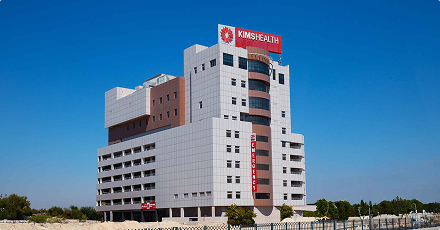
Bahrain
A trusted destination for specialised medical care supported by expert clinical professionals.
KIMSHEALTH Bahrain
6
Facilities
120+
Doctors
25+
Specialities
40+
Services
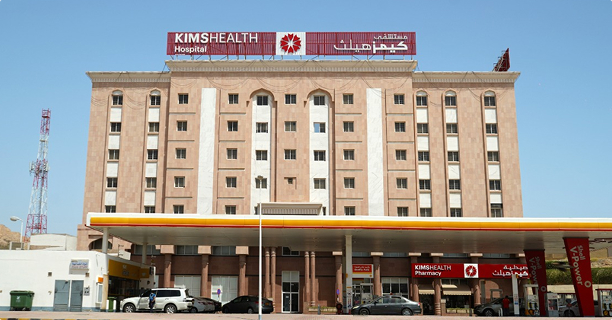
Oman
A trusted destination for specialised medical care supported by expert clinical professionals.
KIMSHEALTH Oman3
Facilities
80+
Doctors
30+
Specialties
20+
Services
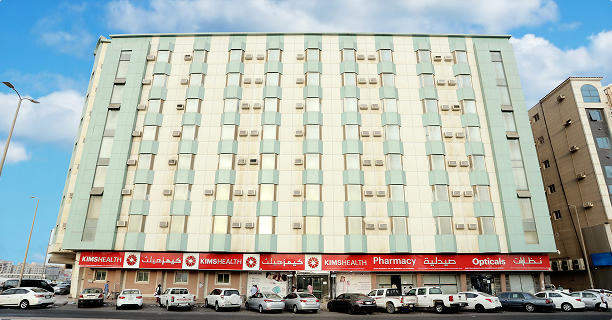
Saudi Arabia
The largest multispeciality clinic in Jubail, offering quality medical care to the citizens.
KIMSHEALTH Saudi Arabia2
Facilities
50+
Doctors
20+
Specialties
10+
Services
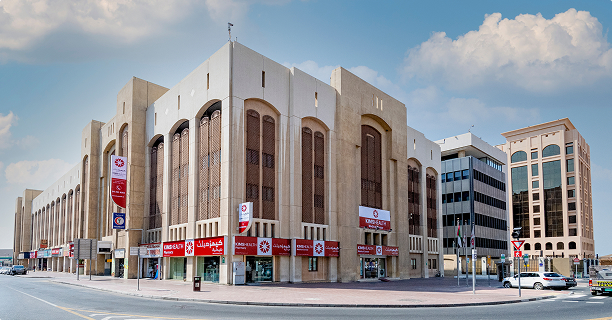
UAE
A trusted destination for specialised medical care supported by expert clinical professionals.
KIMSHEALTH UAE2
Facilities
40+
Doctors
15+
Specialties
40+
Services